
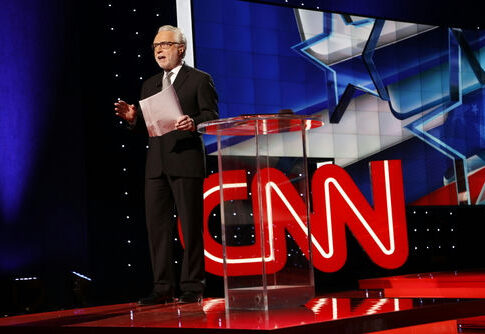
One CNN panel turned into a bigger fight about evidence, race, and the limits of cable-news debate.
Quick Take
- Bakari Sellers called Elon Musk a “white supremacist” during a CNN NewsNight discussion.
- Abby Phillip defended Sellers in the exchange, which drew heavy online backlash.
- The materials provided do not include a full transcript or direct proof tying Musk to that label.
- The dispute shows how fast cable-news panels turn loaded claims into viral clips.
What Happened on CNN
Bakari Sellers used the phrase “white supremacist” about Elon Musk during a CNN NewsNight panel, and the moment quickly became the main story instead of the policy debate around it [1][4]. The provided research says Abby Phillip did not shut the claim down. Instead, she defended Sellers or managed the exchange in a way that many viewers read as backing the remark [2][4].
That matters because the sources here do not show Musk saying or doing anything in the record that would prove the label on its own [1][2][3][4][5][6][7][8]. What they do show is a familiar cable-news pattern. A sharp accusation gets aired live, the host tries to keep the segment moving, and the clip spreads faster than any fact check can catch up.
What the Record Does and Does Not Show
The strongest fact in the package is narrow: Sellers made the accusation on air, and the segment triggered a wave of reaction clips and commentary [1][2][5][6]. The weaker part is the proof. The provided materials do not include a verbatim transcript, a timestamped video excerpt, or an outside report that lays out Musk’s own words, actions, or documents supporting the charge. That leaves the claim hanging as an allegation, not a verified finding.
This is why the dispute keeps drawing attention beyond the personalities involved. When a public figure is labeled with a term as loaded as “white supremacist,” the public expects a factual basis, not only a heated panel argument. The supplied record instead points to social media reactions, opinion clips, and reposts that repeat the accusation without adding hard evidence [1][2][4][5][6][7][8].
Why the Fight Resonates
The broader issue is trust. Viewers on the left and right already doubt that big media shows are built to uncover truth. Many see them as stages for performance, not careful review. This segment fits that pattern. It rewarded sharp language, created instant outrage, and then pushed the public to choose a side before the facts were fully pinned down.
The Name of Defame: CNN’s Abby Phillip Defends Bakari Sellers Calling Musk a ‘White Supremacist’ – Twitchy https://t.co/QAMksjNvnc
— 🔴 P𝕠𝐔𝔫Ⓒ𝓔г (@bloodless_coup) June 14, 2026
For critics of the media, the episode is another sign that elite institutions can blur the line between argument and proof. For defenders of the panel, it is a live debate where pointed language is part of the format. Either way, the gap in the record is the same: the materials supplied here do not establish Musk’s ideology, and they do not show a complete evidentiary case for the label.
What Comes Next
The cleanest way to settle the dispute would be the full CNN segment with timestamps and the uncropped exchange. A second step would be a review of Musk’s own statements and posts, plus any outside reporting that directly tests the accusation. Until then, the story remains less about a proven fact than about how quickly a charge can spread when television, social media, and political anger all move at once.
Sources:
[1] Web – The Name of Defame: CNN’s Abby Phillip Defends Bakari Sellers Calling …
[2] Web – Bakari Sellers Hits Back At Abby Phillip Claim Kamala …
[3] Web – CNN
[4] Web – Abby Phillip and the Entertaining Exchange of Ideas
[5] Web – Le sigh… (give it 30 seconds, then I go in) Thoughts?!?
[6] Web – Can we talk about mediocrity?!? I know I was telling the …
[7] YouTube – What Would You Hide If You Ran for Office? CNN Panel …
[8] Web – I failed my own rules tonight. Lost my cool. Not proud. Gotta …